
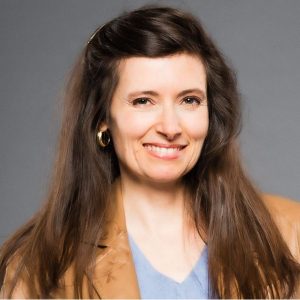
 We wanted to get to know Robin Pool (NAIWE’s Sci-Fi/Fantasy Expert) better, so last month we sat down with her. Here are some thoughts she shared with us.
You have a deep background in sci-fi and fantasy. What are the most common world-building mistakes you see indie authors make during a developmental edit?
My father is notorious for reading a half dozen guidebooks before he travels. He wants to know the details before he visits. Readers are not like that!
They are not reading a book to understand the history, socioeconomic system, recent secession crisis, outcome of the war, and environmental turmoil . . . before they even get to know the characters!
Indie authors often add details just to give their reader an overview, but that is not a good strategy, especially not early in the book! Imagine you got off a train in a strange city. What details would you discover first, and what would become clear later in your visit? Spin the details out slowly as they become germane to the story. Keep us in suspense. Save the bird’s eye view for the birds!
If it helps the author to have all of that written out ahead of time, put it in a separate preparation document so it’s not the first thing that comes out when you start the book.
Unless the beginning is already top notch, I advise authors to simply start writing the book wherever it seems right and come back and write a more dynamic beginning later. The beginning is so important that it should not be set in stone when you are just getting your feet wet with the plot or topic.
You can also lose readers by not connecting the details of the world to action or character growth or by setting too many world components against the character, taking away their “elbow room” to act. The world should be like one of those Ninja Warriors courses: plenty of challenges to help the character grow, but also a plausible way through.
How does your background in art history from Princeton influence the way you help authors visually map out or design their fictional worlds?
Before I studied art history, I thought the visual details in a portrait just set the general scene. But actually, they are carefully chosen. It’s not just a general flower, dog, or jewelry the artist wanted to paint; they’re specific images that would resonate with the intended audience. Visual details in a book should be the same.
Writers tend to write about what they think is interesting, or they want to give readers a general visual orientation. But it’s better to choose key details that support the reader’s experience. Don’t describe the wallpaper and the furniture and the lamps and the china. Describe how the delicate bone china teacup trembled in the daughter’s hand as the doctor carried the bowl of blood across the plush carpet of the drawing room. That creates tension and anticipation . . . and keeps the pages turning! Is the character wearing a fancy dress because she is a princess (boring!) or because the voluminous skirts allow her to hide a dagger underneath? Both can be true, but only one is worth writing about!
As a professional writing coach, what is the number one strategy you use to help an author overcome severe writer’s block or structural overwhelm?
In my experience, if writer’s block cannot be alleviated by a couple of days off, a creative recharge, or a fresh perspective, there’s typically a deeper problem. My number one strategy is to ask questions to identify it.
Could be severe burnout, a mindset issue like perfectionism or excessive pressure, or even trouble getting back on the “writing horse” after a setback like a bad review.
Often, I find that writers don’t really understand their best writing energies. If writing is a good activity for you, there should be a way to make it pleasurable. However, most of us were trained in school to try to please others and keep grinding even when we didn’t like the work. If you don’t know how to make writing enjoyable, that’s where a professional writing coach can help! Don’t try to hammer down the door. Look for a key to open it.
Once people uncover the problem and retool their approach or mindset, severe blocks typically lift. That can take time, though, so it’s important to be patient with yourself and not cling to old assumptions and habits around productivity or performance. I encourage writers to get the support they need to find their happy writing flow.
——————
How do authors create characters with special abilities that readers can’t get enough of? Ever wondered why Latin incantations and super strength produce perennial best-sellers?
Learn to design compelling character abilities by using a simple 3-step process and avoiding a few basic pitfalls. For any Speculative Fiction genre (from Paranormal Romance to High Fantasy to Steampunk Sci-Fi, even Vampire Littles) this class will help you:
- maximize your writing gold for your ideal audience
- integrate abilities into genre expectations, character growth, world-building, and reader aspirations
- avoid “puncturing the mystery balloon” and “pasting postage-stamps”
- prevent abilities from feeling overpowered or overused
- craft inclusive language and avoid sensitivity “hot spots”
This hands-on training includes workshopping case studies and editing real-life examples. Takeaways include a 3-page PDF with Do’s and Don’t’s, a 5-Step Design Framework, and a Compelling Characters Checklist to help you create from scratch or troubleshoot during revisions.
Learn to write special abilities that get your readers to finish a book, start the next one in the series, and recommend it to their friends. Make your words work like magic…or super strength! No Latin needed.
You can join in this conversation on August 20 at 2:00 pm eastern, when NAIWE will host a discussion on creating and developing characters and plots. The cost for NAIWE members is only $10! Nonmembers can join for $30. Register today!
Robin Pool loves the challenge and reward of sci-fi and fantasy. Take all the regular story hurdles – engaging plot, compelling characters – and add in an unfamiliar or even impossible world? That’s an uphill climb! But it’s so worth it! To get good at making the imaginary feel real, Robin has studied social, spiritual, and magic systems from around the globe, including learning Koine Greek and Arabic to read texts in the original. She is equally at home in story settings from pre-history to the speculative future. With decades of experience as a successful small business owner, Robin has coached over 3,000 clients to achieve their writing goals, including major publication credits, prizes, recognition, and readers. She is also an artist (blogging about creativity, knitting, and crochet @robinfpool on Substack), and she loves a good charity shop, especially if she can walk through a garden to get there.
Leave a Reply