 Describe the energy behind what brings out the power in words.
Prepare for the Writing Challenge
During Words Matter Week, we host a writing challenge. Each day we will post a question on our blog and various social media outlets.
Respond to the question on your blog or social media page (be sure to include #WMW2022 in your response), and then link back to it in the comments of the corresponding article on the NAIWE blog. For each challenge you respond to, you will receive one entry (and a bonus entry for each response written on your NAIWE blog).
At the end of the week, we will have a drawing, and one person will win a fabulous prize, along with a mention and link in the next newsletter.
 Words Matter Week, which is in its 14th year, is a holiday that is celebrated annually the first full week in March by the National Association of Independent Writers and Editors.
 During Words Matter Week, we host a writing challenge. Each day we will post a question on our blog and various social media outlets.
 We wanted to get to know Marcia Rosen (
 March: Small Press Month. Shine the light on many of the great authors, and publishing houses, around the world.
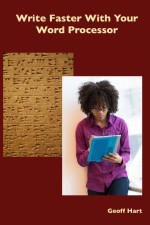 Write Faster, thanks to Geoff Hart!
 Member Benefit #27
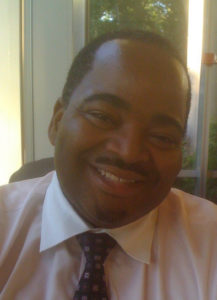 We wanted to get to know Kajli Prince (